
Arizona TMDL documents can be reviewed with EPA's "How’s My Waterway" portal:
How-to Guide | View >
EPA's How’s My Waterway Portal | Visit Portal >
- Oak Creek | Current Step: EPA Review
Oak Creek and associated tributaries are impaired for E.coli. ADEQ has worked with a contractor to complete data collection and analysis efforts. The TMDL is under review by the EPA and pending their approval. - Statewide Mercury TMDL | Current Step: Public Comment
31 water bodies in Arizona are impaired for mercury. ADEQ is currently reviewing and responding to comments obtained during the TMDL’s Public Comment period. - Queen Creek TMDL | Current Step: Public Comment
Queen Creek and associated tributaries are impaired for copper and lead. ADEQ is currently reviewing and responding to comments obtained during the TMDL’s Public Comment period. - Upper Agua Fria TMDL | Current Step: Public Comment
Reaches of the Upper Agua Fria, Lynx Creek, and Big Bug Creek are impaired by multiple metals — Arsenic, Cadmium, Copper, Lead, Selenium, and Zinc. ADEQ is currently reviewing and responding to comments obtained during the TMDL’s Public Comment period. - Patagonia Mountains Watershed TMDL | Current Step: Informal Public Comment
Thirteen reaches in the Patagonia Mountains are impaired for heavy metals and pH. These reaches are located in the sub-watersheds of 3R Canyon, Alum Gulch, and Harshaw Creek that all flow into Sonoita Creek. ADEQ has worked with a contractor to update 45 TMDLs developed in 2003 and create TMDLs for six new impairments that were not originally covered. The TMDL draft has been sent to stakeholders for an informal review before undergoing the formal Public Comment process. - Salt River TMDL | Current Step: Data Collection
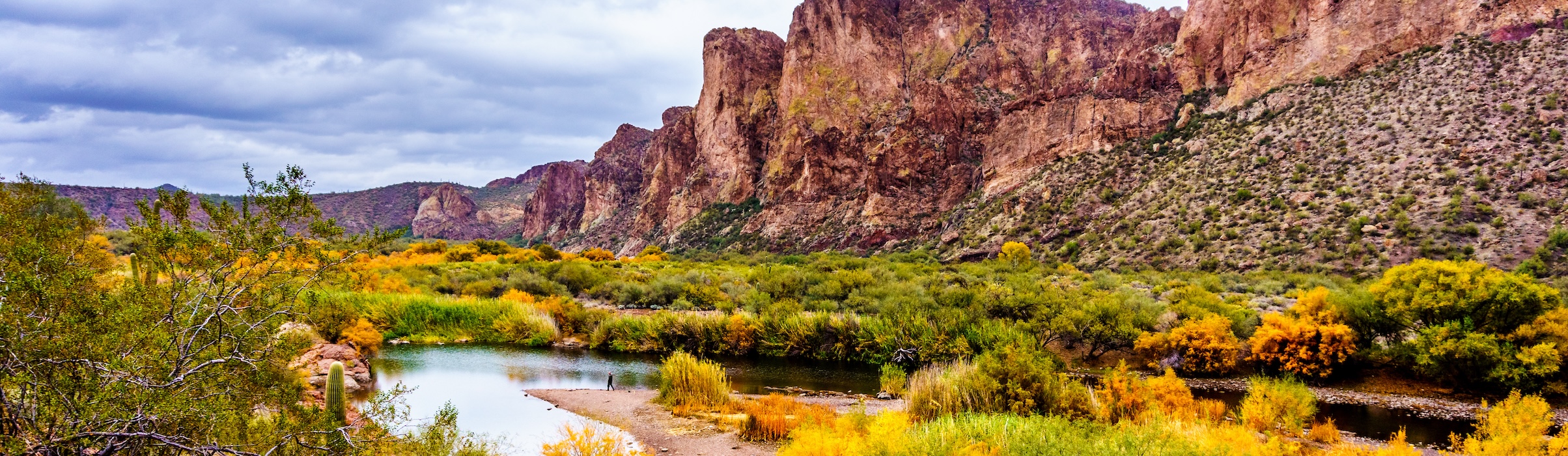
Salt River is impaired for Arsenic, E.coli and Phosphorus. ADEQ is sampling the area to account for data gaps. - Upper Verde River TMDL | Current Step: Data Collection
Two reaches of the Upper Verde River are impaired for E. coli. ADEQ is working with a contractor to conduct a Microbial Source Tracking (MST) study to identify the potential sources of this impairment in support of a future TMDL.